
A Beginner’s Guide to Buying Local Meat (Without Feeling Overwhelmed)
If you’ve ever thought about buying local meat but felt a little unsure — What cuts do I even pick? How do I freeze it? What if I thaw it wrong? — you’re not alone. Almost every customer we meet at Lost Pines Poultry starts with the same questions.
The truth is: buying local, pasture-raised meat is simpler than it seems, and once you learn a few basics, it becomes one of the easiest upgrades you can make for your family’s meals.
This guide breaks everything down so you feel confident, prepared, and excited to bring real food into your kitchen.
Start Here: Why Buy Local Meat at All?
When you buy from a local farm, you’re getting:
Fresher, higher-quality meat
Better flavor and texture
Animals raised with care, space, and natural diets
Food you can trust because you know where it comes from
Plus, you get to put your dollars into your own community — and feel really good about the meals you’re serving your family.
Understanding Cuts: What You Actually Need to Know
You don’t have to be a butcher. You just need the basics.
Whole Bird
Best value. Most versatile. One chicken = 2–4 meals.
Roast it, slow-cook it, air fry it whole, or break it down into parts.
Breasts
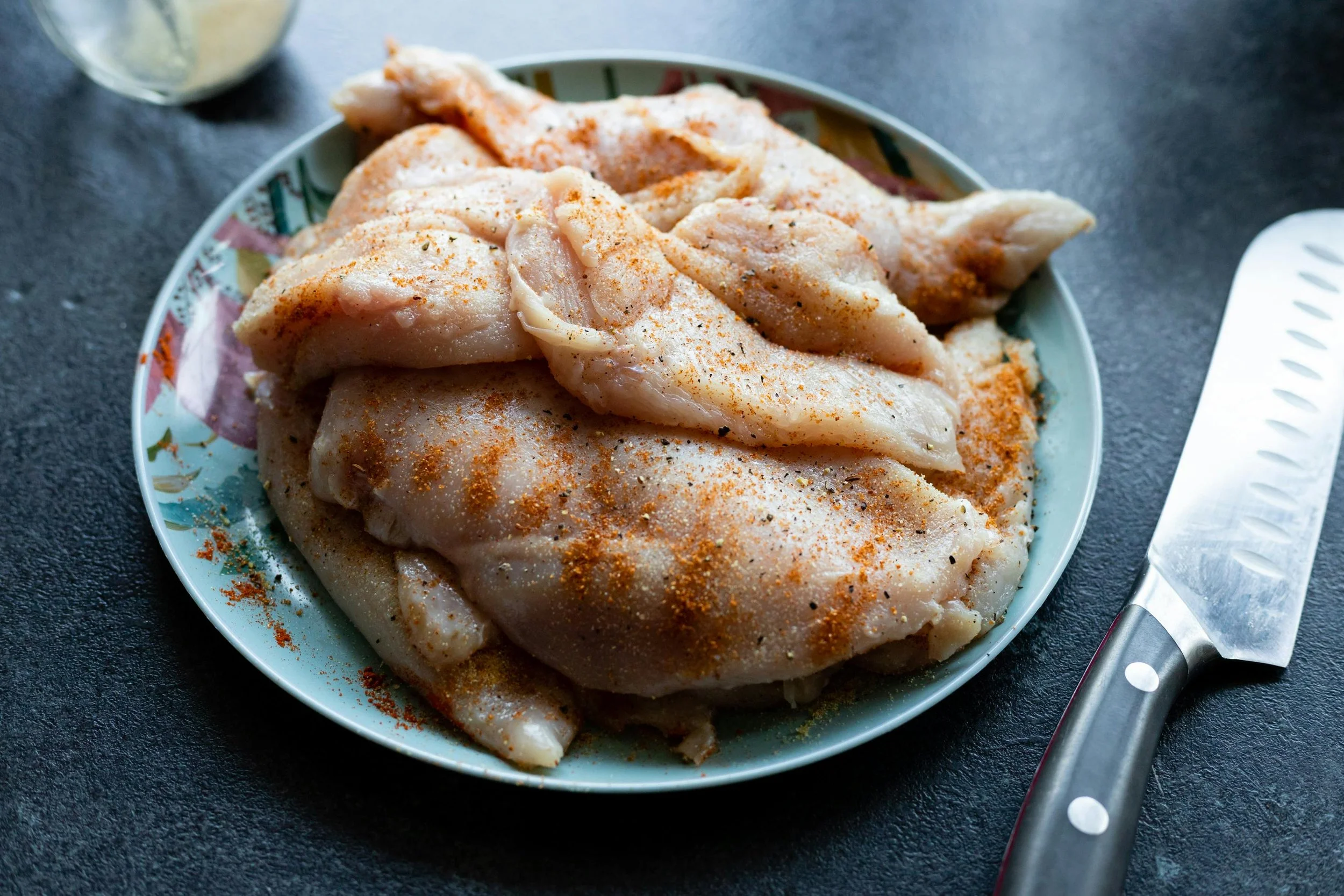
Lean, quick-cooking, great for meal prep.
Use in sautés, casseroles, pastas, and salads.
Thighs
Customer favorite. Juicy, forgiving, flavorful.
Perfect for air fryer meals, sheet pans, tacos, or soups.
Drumsticks & Wings
Kid-approved and great for busy nights.
Affordable, easy to season, and fun for sports nights.
Tenders
Fastest-cooking cut — great for last-minute dinners.
Sauté with a little seasoning and throw over salad or rice.
The good news? You can’t go wrong. Pasture-raised chicken tastes better no matter which cut you choose.
Pricing: What’s Normal? What’s a Good Deal?
Local chicken is priced differently than grocery store chicken — because it’s raised differently.
A quick breakdown:
Whole birds offer the best price per pound.
(This is why families who buy once often switch to whole birds.)Thighs, drums, wings fall in the middle — not expensive, not cheap.
Breasts and tenders are typically the premium cuts.
Remember: you’re paying for flavor, freshness, humane practices, and quality that doesn’t exist in mass-produced poultry. It’s an investment in your health and your community — and it pays off in meals your family actually enjoys.
Freezing: How to Store Your Local Chicken
Fresh local chicken freezes beautifully. Here’s how we recommend doing it:
Keep it in the vacuum seal or packaging it came in.
It’s designed to protect against freezer burn.Lay items flat to save space — they stack easily once frozen.
Use within 6–12 months for best quality.
(It’s fine longer, but texture starts to change.)
Pro tip: Keep one whole bird in the freezer at all times for “I have no idea what to make” weeks.
Thawing: The (Actually Easy) Safe Methods
Thawing doesn’t have to be complicated.
Best method:
Fridge overnight.
Place the package on a plate or in a dish and let it slowly thaw.
Fast method:
Cold water bath.
Keep the meat sealed in the package, submerge in cold water, and change water every 30 minutes.
Do NOT:
Thaw on the counter
Leave out all day
Use warm water
These grow bacteria quickly — and nobody needs food poisoning on a Wednesday.
Meal Planning With Local Chicken
Buying local becomes easier when you have a simple plan. Here’s a formula we use at Lost Pines Poultry:
1. Pick 1 whole bird for the week.
Use it for:
Roast chicken
Shredded chicken tacos
Chicken salad lunches
Bone broth or soup
2. Choose 2 “fast meals.”
Examples:
Air-fried chicken thighs + sheet-pan veggies
Sautéed tenders over salad
Chicken drumsticks with rice and cucumbers
3. Keep 1 emergency meal in the freezer.
On nights when the universe is out to get you (hello, 8 p.m. dance dismissal), you’ll be grateful.
This plan keeps your meals flexible while still grounded. No guilt. No overwhelm.
Which Cut Should You Try First?
Honestly? Whichever one feels easiest.
But if you want my personal recommendation as a farm mom with zero spare time:
Start with a whole bird and a pack of thighs.
You’ll get the best combination of value, flavor, and versatility — and you’ll see immediately why local chicken is worth it.
