
Farm-Fresh Eggs: Why They’re Different and How to Use Them in Everyday Cooking
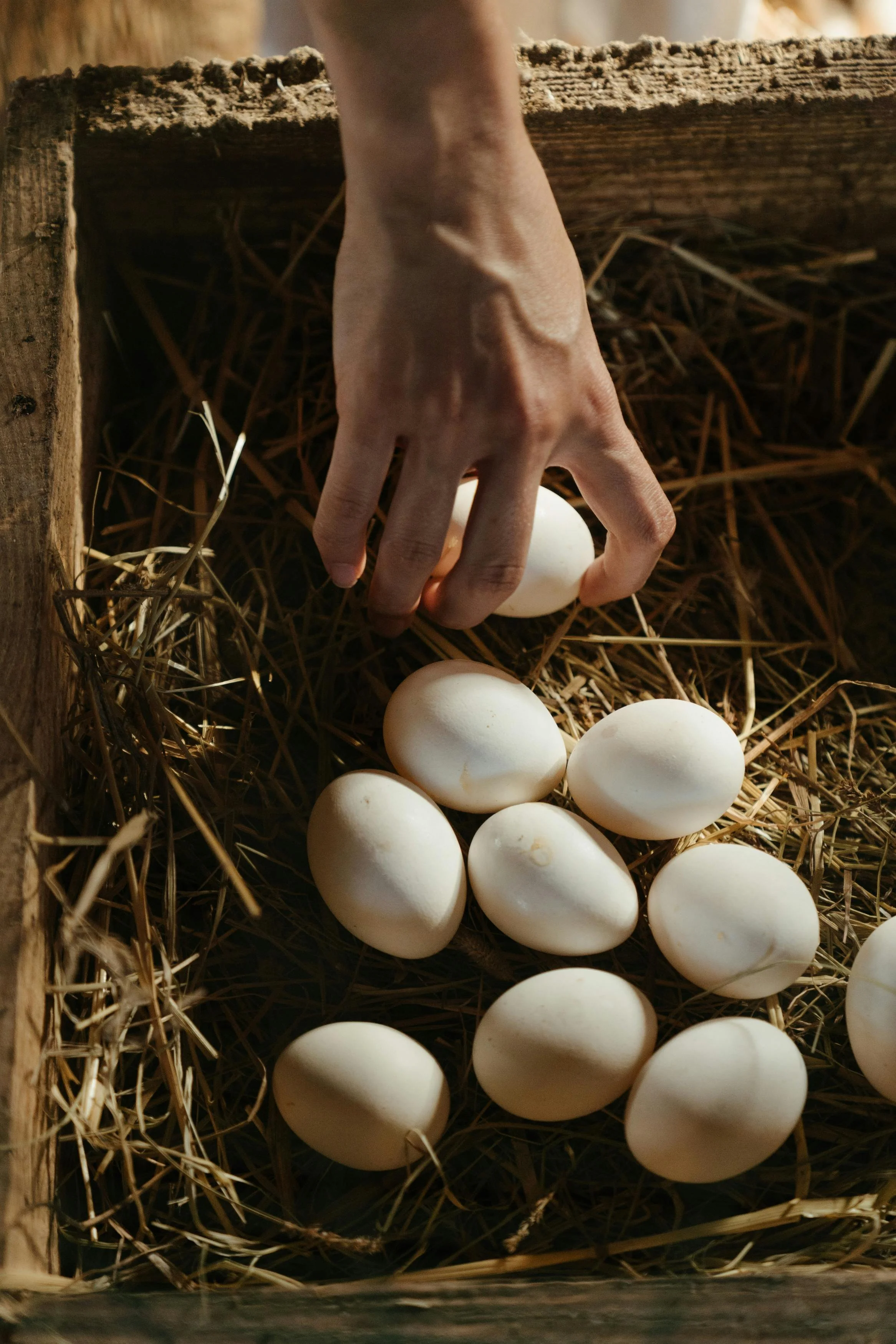
If you’ve ever cracked open a farm-fresh egg and wondered why the yolk is such a deep golden color — or why it somehow makes breakfast taste better — you’re not imagining it. Fresh, local eggs really are different. And once you get used to cooking with them, it’s hard to go back to grocery store cartons.
Here at Lost Pines Poultry, our hens spend their days dust bathing, scratching through the pasture, and soaking up sunshine. The result? Eggs that are richer, firmer, more nutrient-dense, and just plain delicious.
Let’s break down what makes farm-fresh eggs special and how to use them in your everyday meals.
Why Farm-Fresh Eggs Look and Taste Different
1. Deep golden yolks
Pasture-raised hens eat a natural mix of grass, bugs, seeds, and high-quality feed. That variety creates yolks that are darker, thicker, and packed with nutrients.
2. Firmer whites
Fresh eggs hold together better — they don’t spread out in the pan like older eggs. That means prettier fried eggs and fluffier omelets.
3. Better flavor
Customers tell us all the time that our eggs “taste like eggs used to taste.” The richness comes from the hens’ natural diet and everyday activity.
4. More nutrient-dense
Studies show that pastured eggs often contain more vitamin A, vitamin E, and omega-3 fatty acids than conventional eggs. Your breakfast really does give you more.
How to Use Farm-Fresh Eggs in Everyday Cooking
You can use them exactly as you would store-bought eggs — they just perform better.
🍳 For Scrambling and Frying
Farm-fresh eggs give you:
Fluffier scrambled eggs
Firmer, brighter fried eggs
Better texture without adding cream or milk
Cooking tip:
Whisk your eggs well and season after they hit the pan to keep them extra tender.
🍞 For Baking
Bakers love farm eggs because they provide:
More lift
Richer color
Better binding
Moist, tender crumb in cakes and breads
If you bake bread, cookies, or muffins, you’ll notice the difference immediately — especially in color and structure.
Tip:
Because farm-fresh yolks are richer, they can deepen the color of batters and doughs, which is a good thing! Expect prettier baked goods without changing your recipe.
🥚 For Boiling
Hard-boiling fresh eggs gets a bad reputation — but it’s completely doable.
The trick is using steam instead of boiling:
Place eggs in a steamer basket.
Steam for 12–13 minutes.
Place immediately into an ice bath.
This helps the shell release more easily.
How to Store Farm-Fresh Eggs
Farm eggs last much longer than grocery store eggs because they haven't gone through heavy washing or long transport times.
Here’s how to keep them fresh:
Store in the fridge for 3–5 weeks (often longer).
Keep them in the carton to maintain moisture and prevent odors from entering.
Pointy end down helps the yolk stay centered.
Fun fact:
Unwashed farm eggs can be kept at room temperature for days or even weeks — but we refrigerate ours because it keeps them fresher, longer.
Why Your Recipes Turn Out Better With Farm Eggs
Better texture.
Brighter color.
More flavor.
More nutrition.
That’s the beauty of eating food raised close to home by people who care about how their animals live.
Our eggs don’t just make your meals better — they connect you to your food in a way a supermarket carton never will.
